
Blog
How to Choose the Right Rice for Your Favourite Meals
Jul
Rice is a central part of many Sri Lankan and Asian meals, but different varieties can produce very different results. Choosing the right rice can improve the texture, flavour and overall quality of your dish.
Why Rice Variety Matters
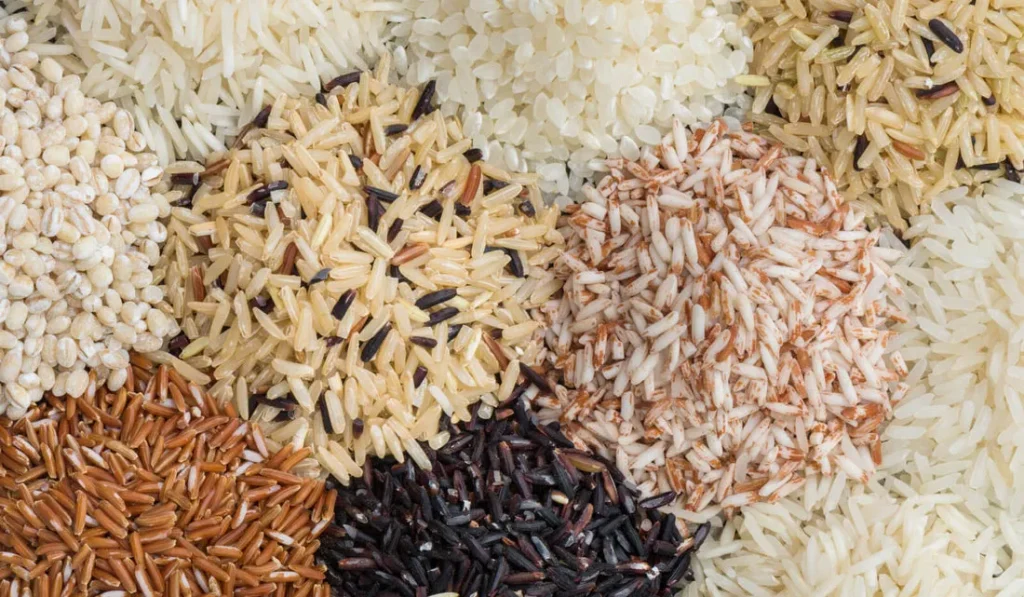
Rice varieties differ in grain length, starch content, aroma and cooking texture. Some varieties remain separate and fluffy after cooking, while others become soft, moist or slightly sticky.
The best choice depends on what you are serving and how you want the finished meal to feel.
Basmati Rice
Basmati is a long-grain rice known for its fragrance and light texture. When cooked correctly, the grains remain separate and fluffy.
It is an excellent choice for:
- Biriyani
- Fried rice
- Pilaf
- Festive rice dishes
- Meals served with rich curries
Rinsing basmati rice before cooking helps remove excess starch. Soaking it briefly can also help the grains cook more evenly.
Samba Rice
Samba rice has shorter grains and a distinctive flavour. It is widely enjoyed with Sri Lankan curries and works well for everyday rice and curry meals.
Its firmer texture makes it a satisfying option when served with dhal, vegetable curries, meat curries, sambols and pickles.
Keeri Samba Rice
Keeri Samba is a small-grain aromatic rice often used for special meals and biriyani. The grains are compact, fragrant and able to absorb the flavours of spices, stock and other ingredients.
It is particularly suitable when you want a rich rice dish with a soft but defined texture.
Red Rice
Red rice has a nutty flavour and a firmer texture than many white rice varieties. It pairs well with traditional Sri Lankan curries, coconut sambol, fish curry and vegetable dishes.
Because the outer layer is less processed, red rice may require more water and a longer cooking time than white rice.
White Raw Rice
White raw rice is a versatile everyday option with a mild flavour. It works well with a broad range of curries and side dishes.
Its neutral character allows strongly seasoned dishes to remain the main focus of the meal.
Rice for Milk Rice
Traditional milk rice, or kiribath, requires a rice variety that becomes soft and combines well with coconut milk. Shorter-grain rice is generally preferred because it produces a compact and creamy result.
The cooked mixture is spread onto a tray, shaped and cut into pieces before serving with accompaniments such as lunu miris, curry or jaggery.
Simple Rice Cooking Tips
- Rinse the rice until the water becomes clearer.
- Follow the water ratio recommended for the specific variety.
- Use a tightly fitting lid to retain steam.
- Avoid stirring the rice repeatedly while it cooks.
- Allow cooked rice to rest for several minutes before serving.
Finding the Right Rice
For biriyani and fragrant rice dishes, choose basmati or Keeri Samba. For traditional rice and curry meals, Samba, red rice and white raw rice are excellent choices.
Aura International offers rice varieties suitable for everyday meals, family gatherings and traditional Sri Lankan recipes.